
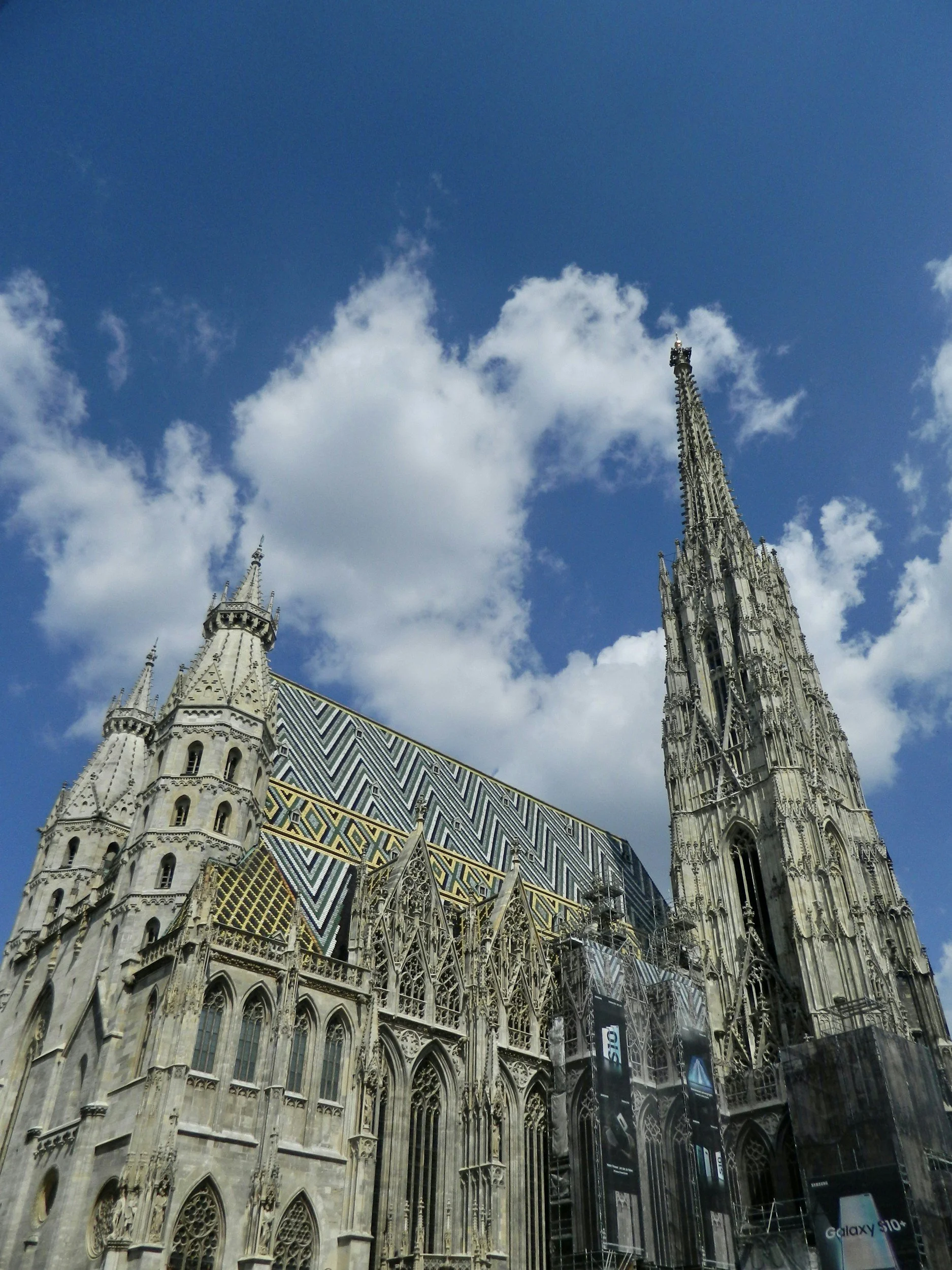
#1 - City Center and St. Stephen’s Cathedral
Vienna’s roots stretch back to the 2nd century AD, when the Romans established it as a fort to protect the Danube River border from invading tribes. Today, however, the city center reflects modern Vienna, shaped by the late 19th century, two world wars, and the Cold War.
This historic core has been a UNESCO World Heritage Site since 2001. At its heart stands St. Stephen’s Cathedral, a striking reminder of the city’s medieval past.
If you only have one day to explore Vienna, this is the area you won’t want to miss!
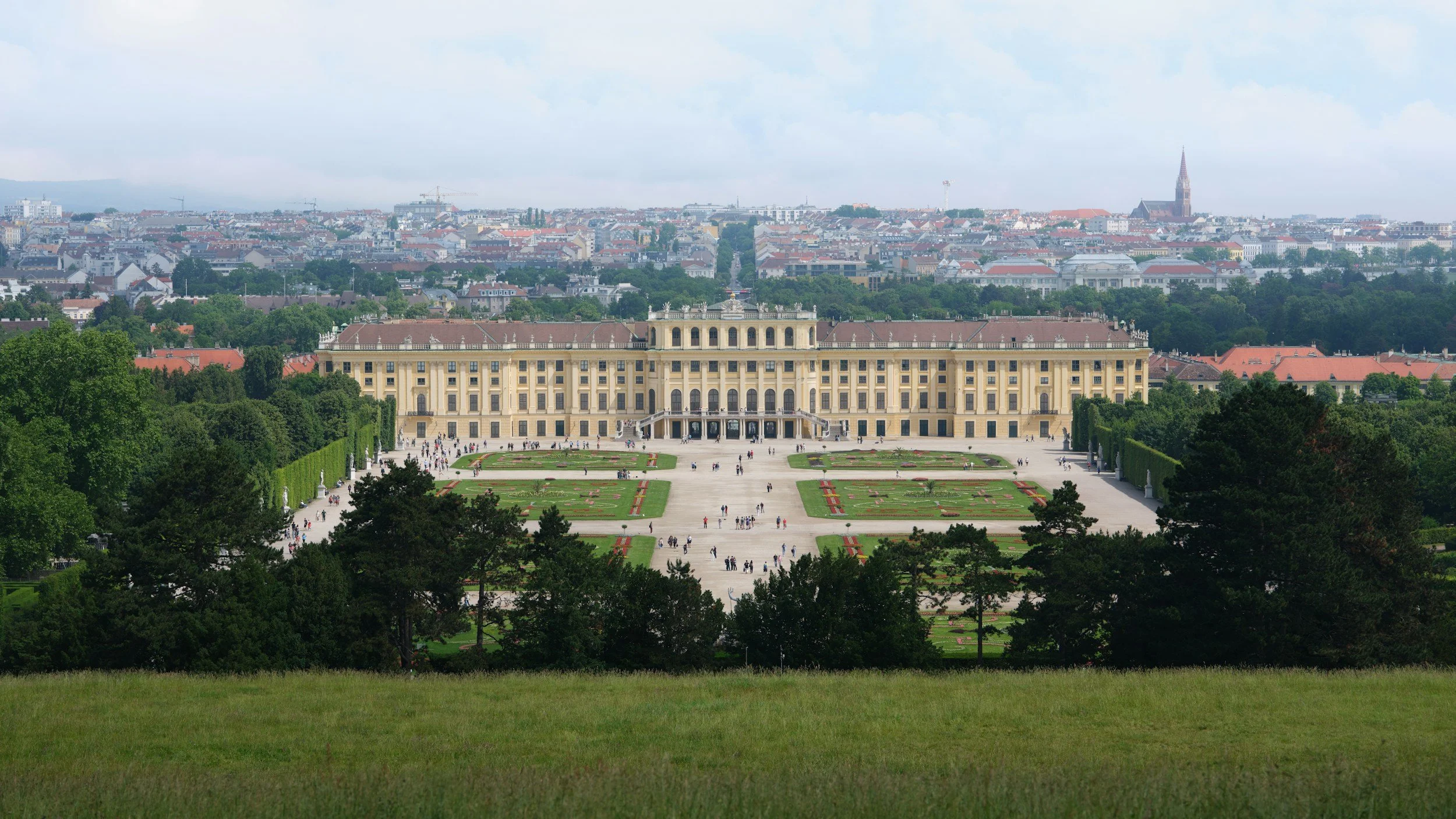
#2 - Schönbrunn Palace
Schönbrunn Palace is Vienna’s top tourist attraction and has been a UNESCO World Heritage Site since 1996. It’s one of Europe’s most beautiful Baroque palaces and was the family residence of Maria Theresia, the only female ruler of the Habsburg dynasty. She reigned from 1740 until her death in 1780 and is perhaps best remembered for having 16 children.
Her fifteenth child, Marie Antoinette, grew up here at Schönbrunn and later married the Dauphin, the French crown prince, who would become Louis XVI.
I recommend spending at least a full day exploring the palace grounds. Make sure to book tickets for the imperial apartments in advance, as they are timed-entry. Take your time strolling through the gardens, walk up to the Gloriette (an elegant imperial pavilion), and enjoy the panoramic views of the estate.
History enthusiasts should also check out the Carriage Museum or visit the palace zoo—one of Europe’s oldest menageries, dating back to Maria Theresia’s time
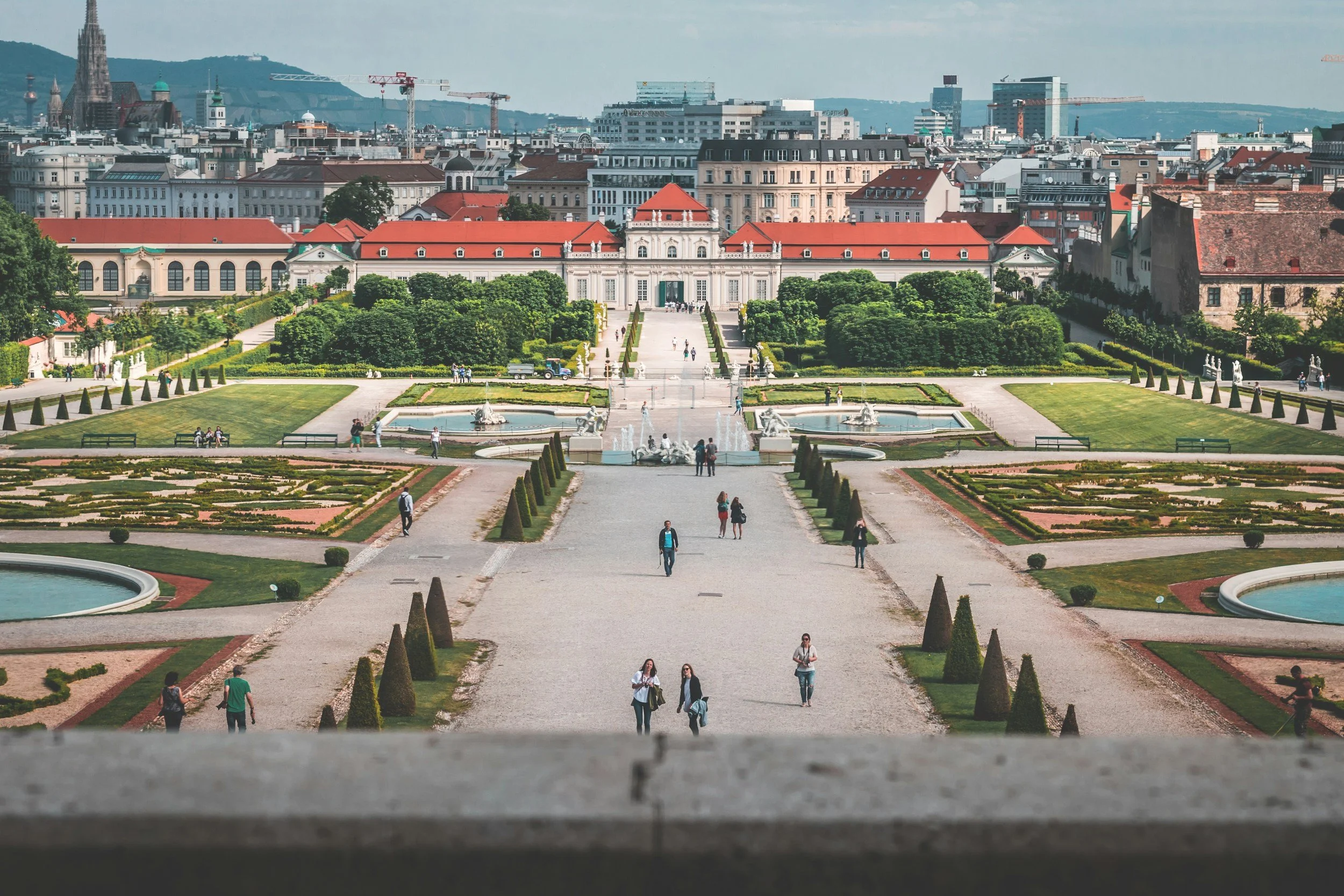
#3 - Belvedere Gallery
Another stunning Baroque palace in Vienna, the Belvedere was built by Prince Eugene of Savoy, one of the most remarkable figures of early 18th-century European history.
Today, the palace houses a gallery of 19th- and 20th-century European art, with a special focus on the Austrian painter Gustav Klimt, best known for “The Kiss.” If seeing this masterpiece is a priority, be sure to book a ticket (and time slot) specifically for the Upper Belvedere. While there, don’t miss Klimt’s landscape paintings—less famous but equally captivating as his Golden Period works.
To fully experience the palace itself, consider a ticket that covers both the Upper and Lower Belvedere. The gardens, beautifully laid out in classic Baroque style, are open to the public free of charge.
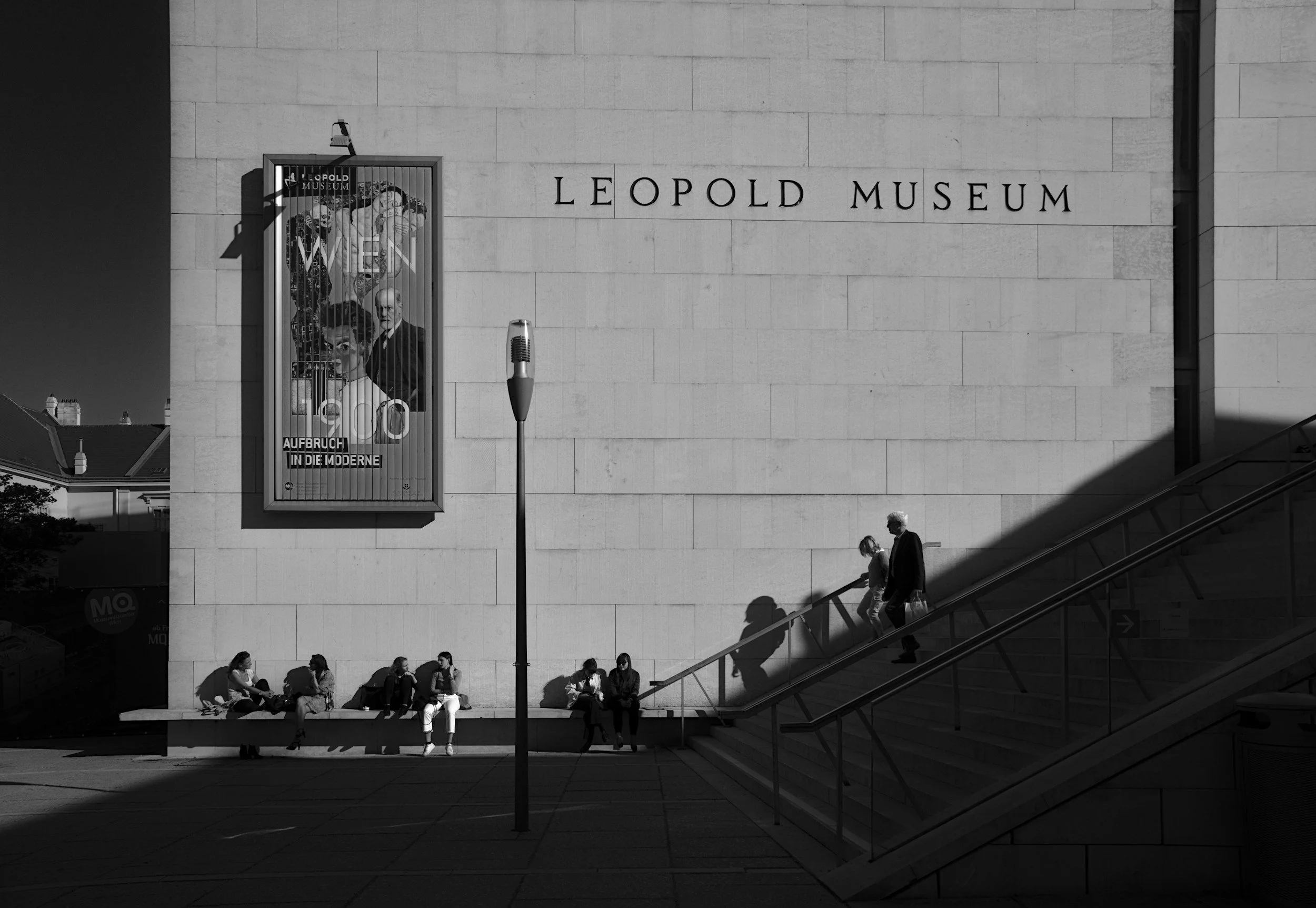
#4 - Leopold Museum
Many visitors are captivated by Vienna’s Art Nouveau, known locally as “Jugendstil.” Inspired by the English Arts & Crafts Movement of the mid-19th century, it developed its own distinct style, setting it apart from French or Italian Art Nouveau. Today, Gustav Klimt (whose works can be seen at the Belvedere Gallery) is the most famous figure associated with the Viennese Art Nouveau circle.
For a deeper look into this unique movement, the Leopold Museum is the perfect destination. Its permanent collection features the largest selection of Egon Schiele’s paintings, objects from the Wiener Werkstätte, and a fascinating glimpse into Viennese society around 1900.
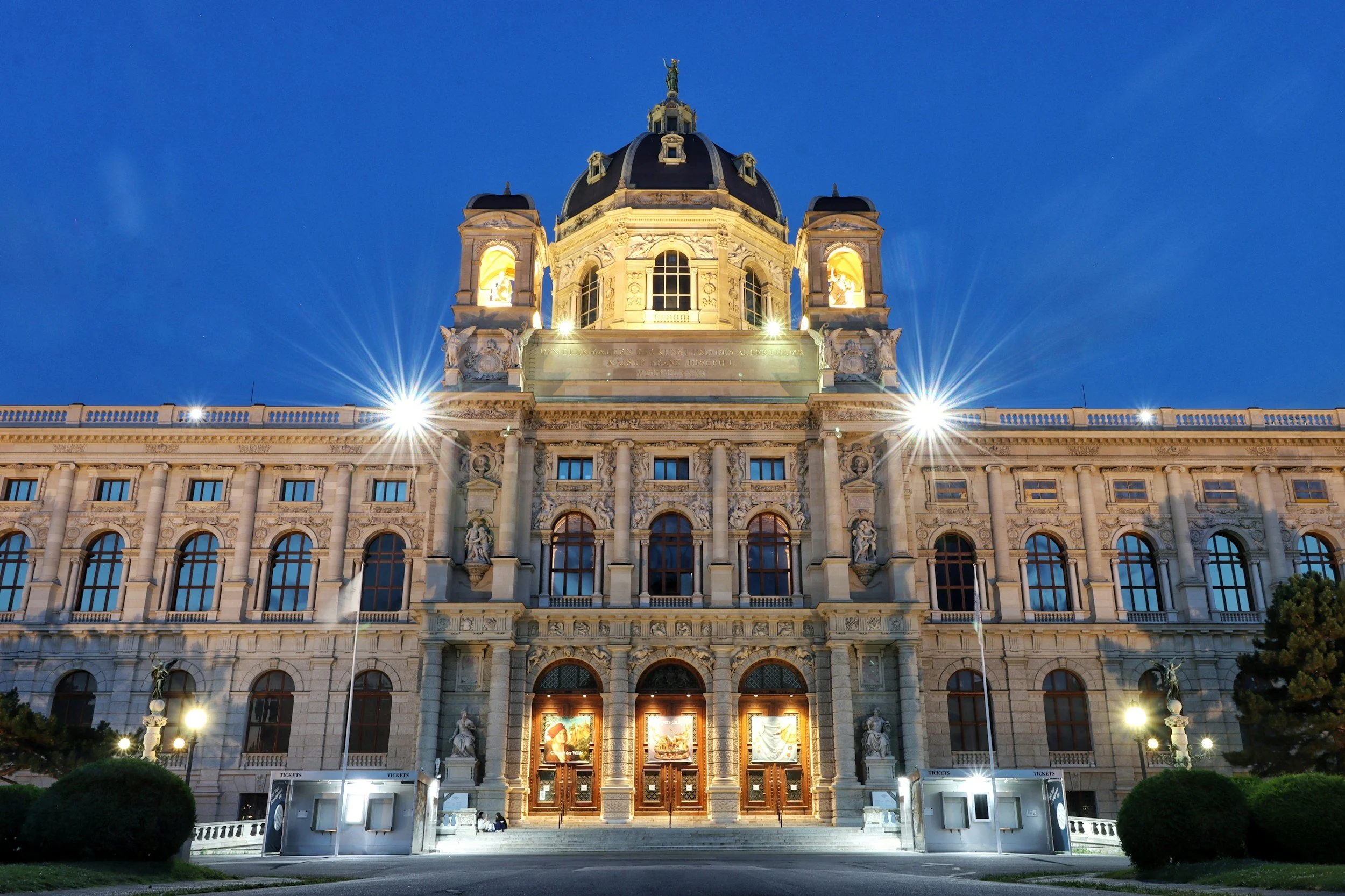
#5 - Kunsthistorisches Museum
On par with the National Gallery in London, the Louvre in Paris, and the Rijksmuseum in Amsterdam, the Kunsthistorisches Museum (KHM) in Vienna is the ultimate destination for experiencing masterpieces by Rubens, Rembrandt, Bruegel, Titian, Raphael, and many other Dutch and Italian Renaissance and Baroque artists.
The museum’s origins lie in the private collections of the Habsburg family. Built by the city of Vienna in the late 19th century, the KHM was designed to give the public access to these extraordinary treasures.
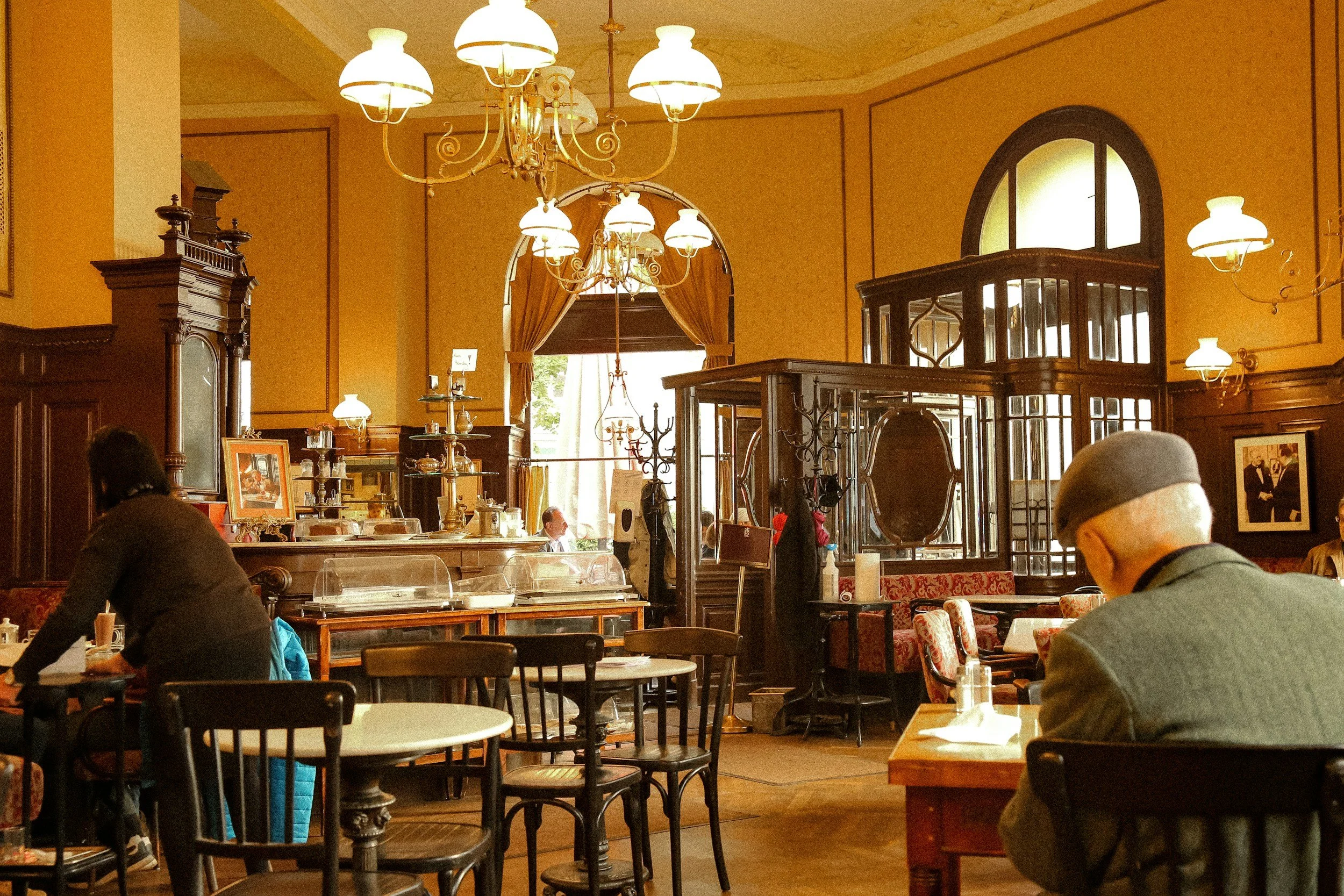
#6 - Cafés
We don’t just call them coffeehouses—“cafés” are a way of life.
Deeply rooted in 19th-century Viennese culture, cafés have long been places to meet friends, enjoy a cup of coffee, grab a slice of cake or a light meal, listen to music, or simply linger. For many, they’re like a living room away from home.
Vienna has countless cafés to explore. If you’re looking for an Instagram-worthy spot, Café Central is a must—but be ready to wait in line for a couple of hours to get a table.
Other historic cafés, some dating back to the 19th century, can be found throughout the city center and are famous far beyond Vienna:
Café Landtmann
Café Prückl
Café Engländer
Café Demel
Café Sacher
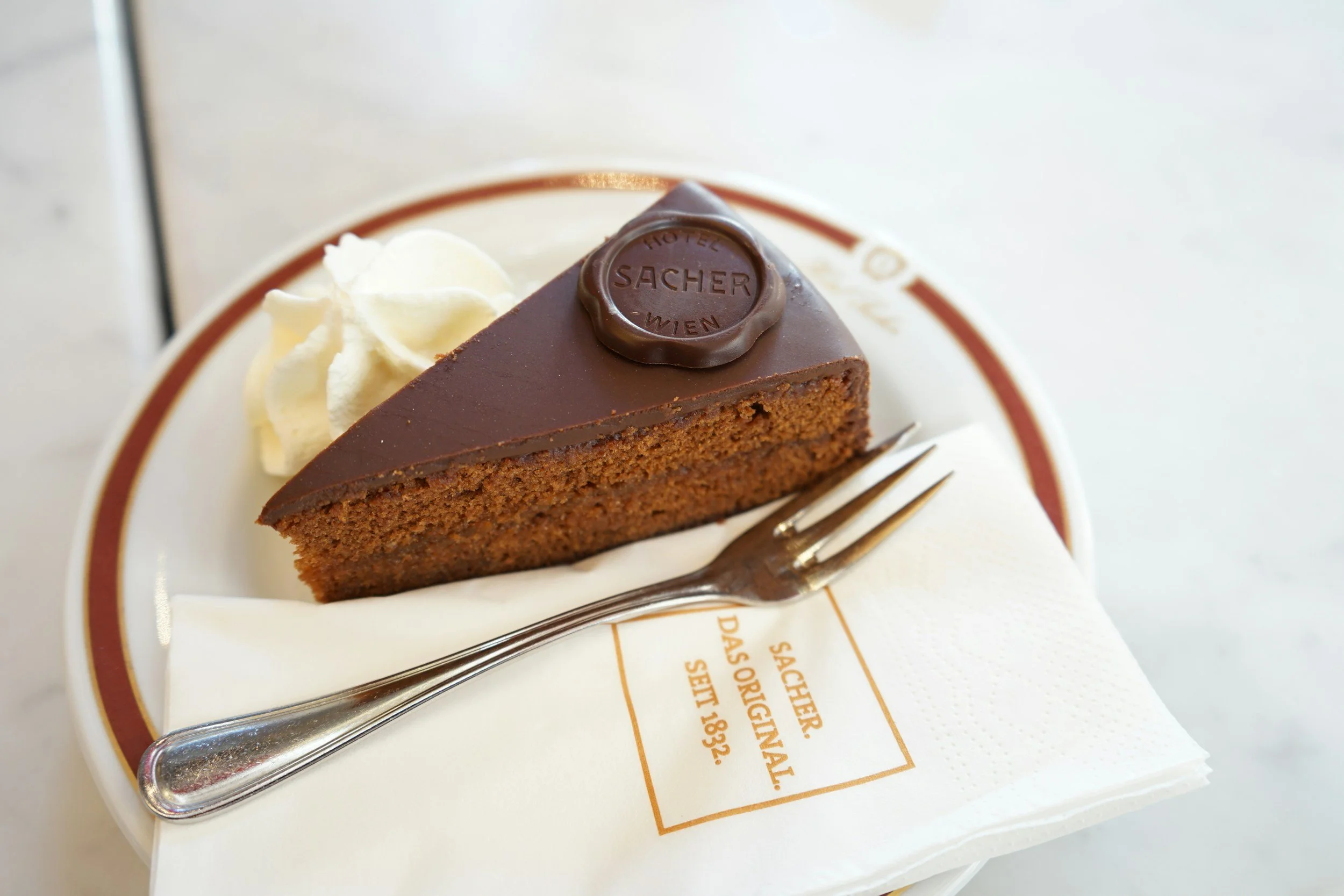
#7 - Cakes
Ah, decisions, decisions… There are so many cakes and desserts to choose from! I always tell my visitors that you’d need to stay in Vienna for at least a month just to try them all.
Most people go for the Sacher Torte, the classic choice. It’s a rich, indulgent chocolate cake named after its creator, Franz Sacher, who also founded the famous café. But you don’t have to go to Café Sacher to enjoy it — almost every café in Vienna has it on the menu. Just don’t ask a local where to get the “best” one — every Viennese person has their own favorite spot for their Sacher Torte.
And there’s so much more to explore beyond the Sacher! Don’t miss other famous Austrian cakes and desserts like:
Esterházy Torte
Topfentorte – similar to cheesecake, but much lighter
Malakofftorte
Linzer Torte – my personal favorite (I was born in Linz!), and it’s the oldest recorded cake recipe in the world
Gugelhupf
Apfelstrudel
Topfenstrudel – especially if you like raisins. Best with vanilla sauce or whipped cream
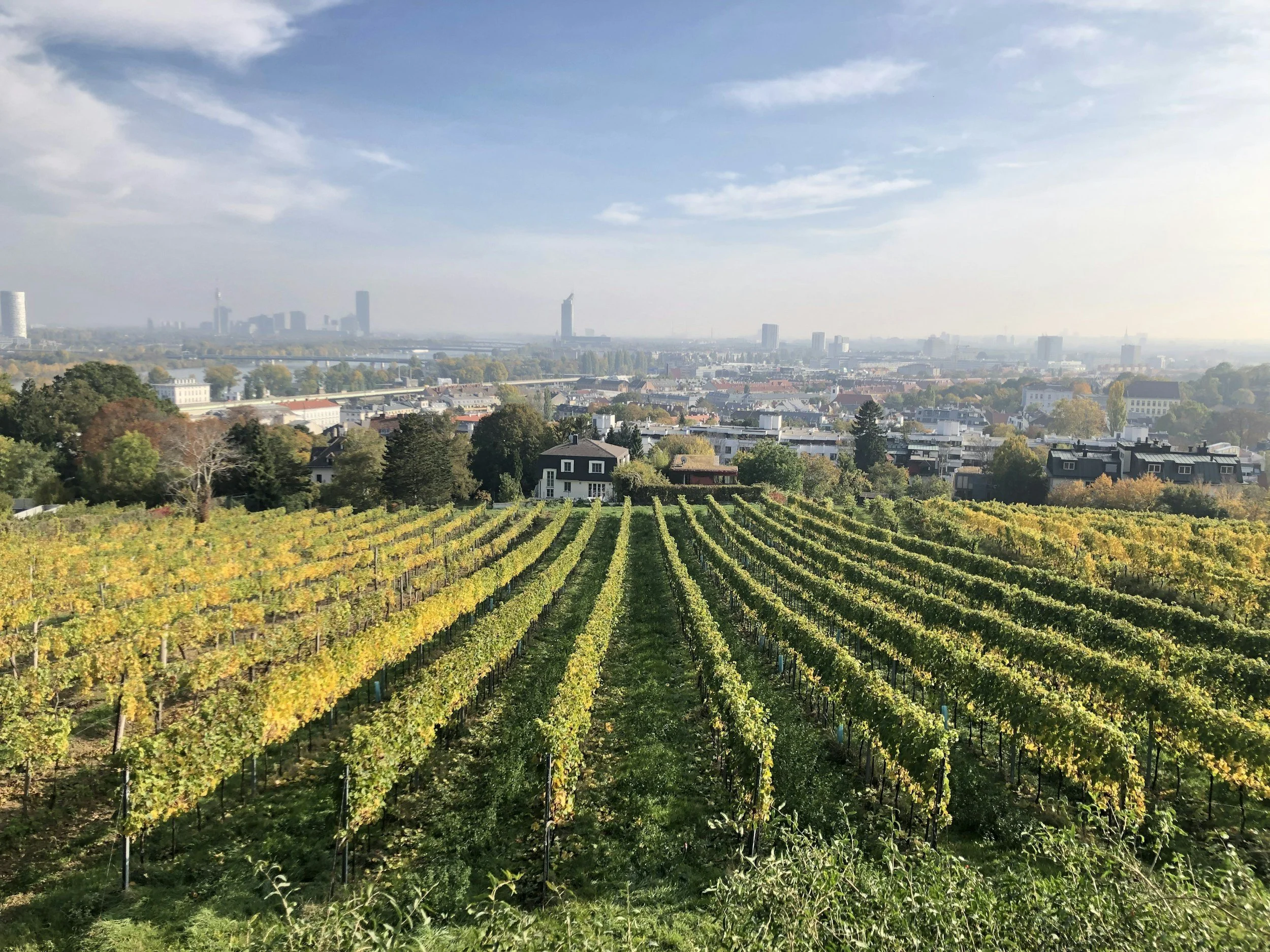
#8 - Kahlenberg & Heurige
After indulging in coffee and cake, a walk sounds perfect. Just outside Vienna, there are plenty of lovely spots for a leisurely stroll through the Vienna Woods, especially around the Kahlenberg area.
The Kahlenberg (Berg means hill or mountain) is one of the hills northwest of Vienna and offers stunning views over the city. There are several smaller hiking trails that let you explore the hill on foot, or you can take a bus up to the viewing platform—just remember to buy and validate your ticket!
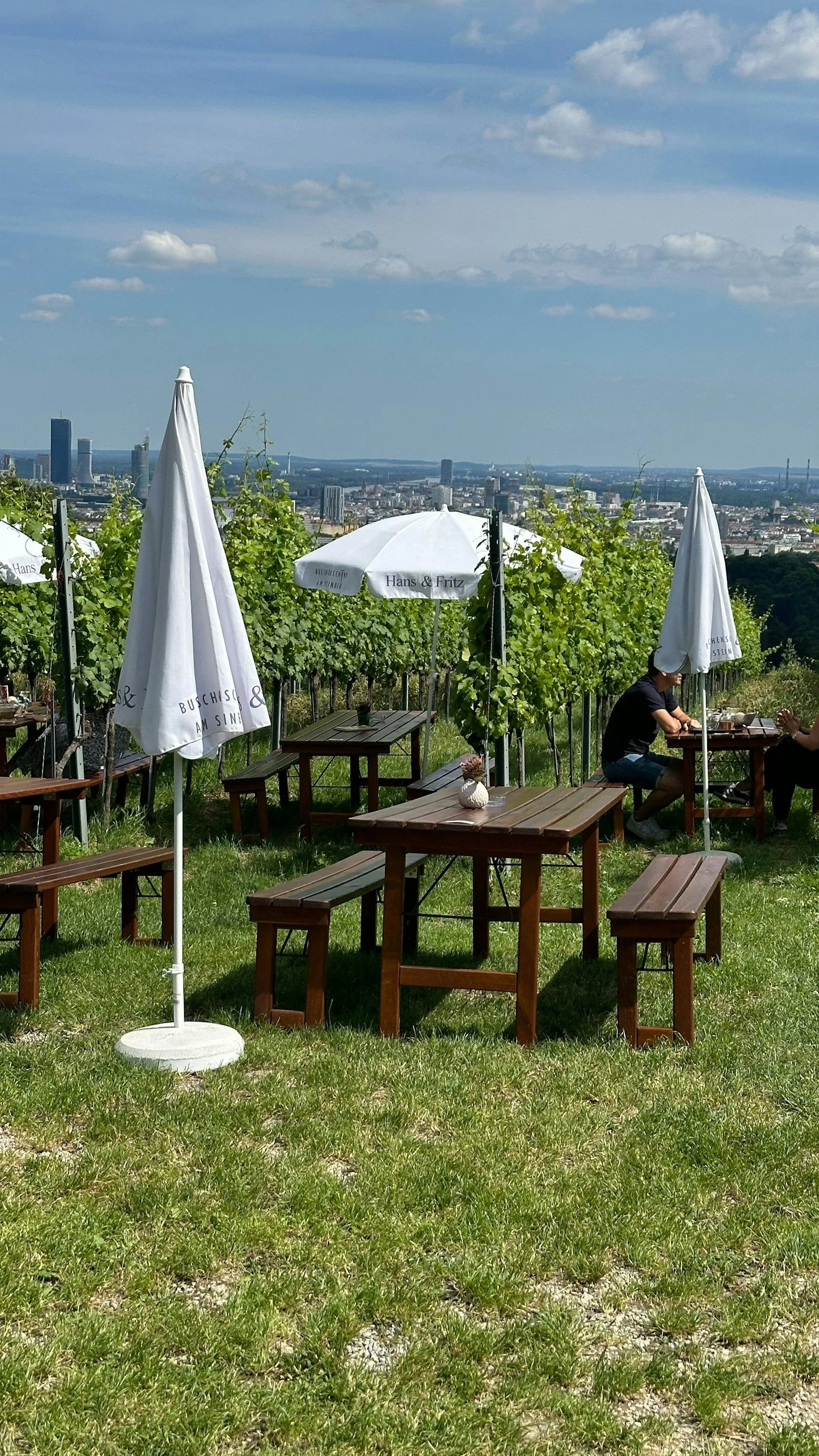
Walking around Kahlenberg also gives you the chance to stop at one of the many Heurigen along the way. These cozy, informal wine taverns serve delicious Viennese wine, usually from their own vineyards. Some Heurigen are open year-round, while others operate seasonally, but all offer a true taste of local wine culture
#9 - Viennese wine
The Romans were the first to bring vines and winemaking to the region. The hills surrounding Vienna proved perfect for growing grapes, and local winemakers specialize in Grüner Veltliner, Riesling, and Pinot Blanc.
Vienna proudly claims to be the only capital in the world with vineyards right within its city limits. One of the city’s signature wines is the “Gemischter Satz.” Unlike a cuvée, it blends different grape varieties into a unique Viennese specialty.
Curious to learn more? Book a tour
#10 - Wiener Würstelstand
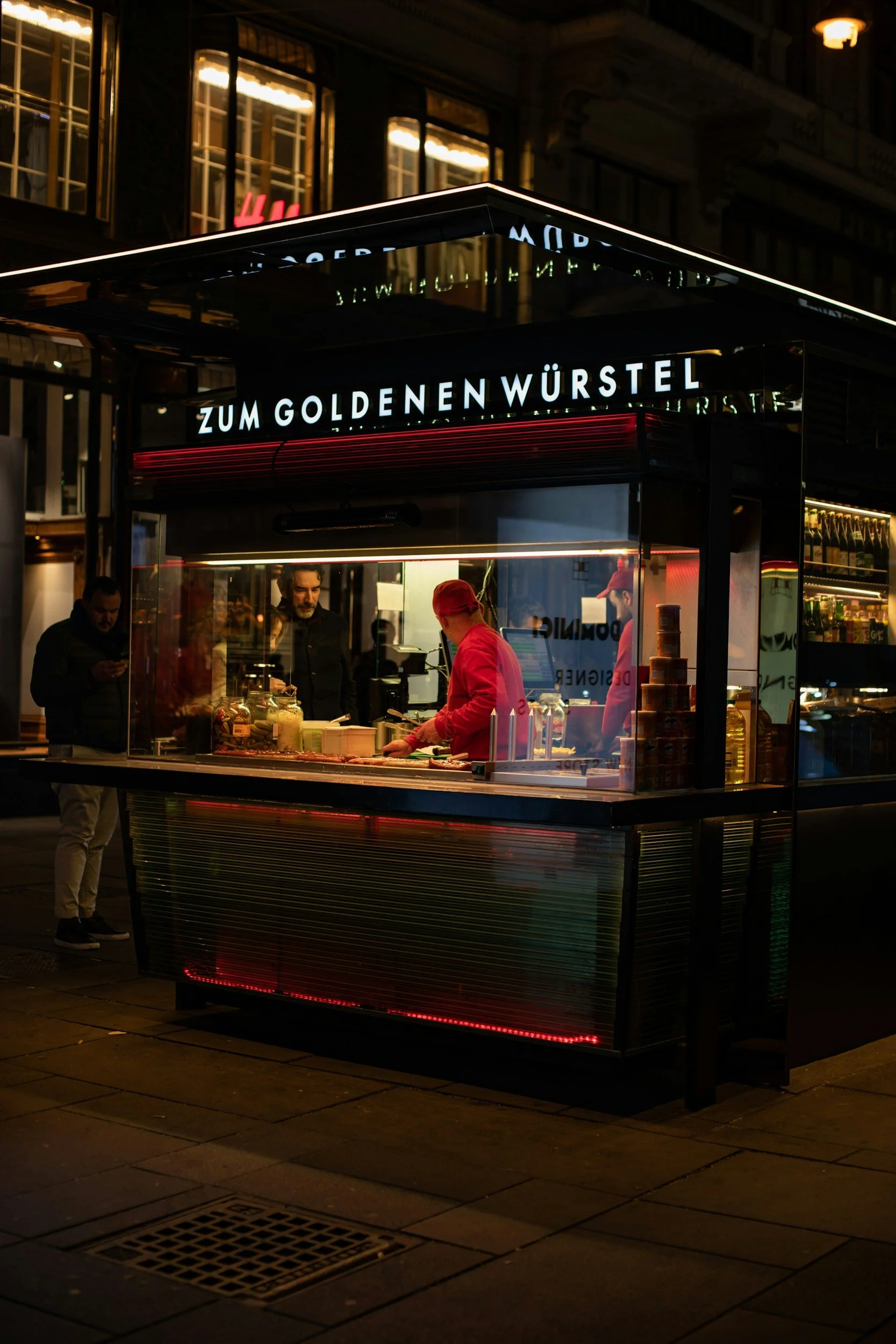
Wiener what? Würstel are sausages, and a Würstelstand is more than just a hot dog stand. Since 2024, these stands have even been recognized as UNESCO Intangible Cultural Heritage—and they’re about much more than food; they’re social institutions.
First, Würstelstände serve sausages of all kinds. You can, of course, get a classic Frankfurter, but why not try a Debreziner or a Käsekrainer? Alongside sausages, you’ll find pickles, beer, soft drinks, and sweet treats like Manner Schnitten—another Austrian snack not to miss.
Second, they’re open late into the night, perfect for opera-goers or night owls heading home from clubs. Hunger doesn’t care about social status, and neither does a Würstelstand. Here, locals and visitors alike exchange gossip, meet people from every corner of Vienna, and enjoy a quick bite and drink.
Some Würstelstände in the city center have become a bit touristy, but a few gems remain. Here are some of my favorites:
Zum Scharfen René
Bosnarei